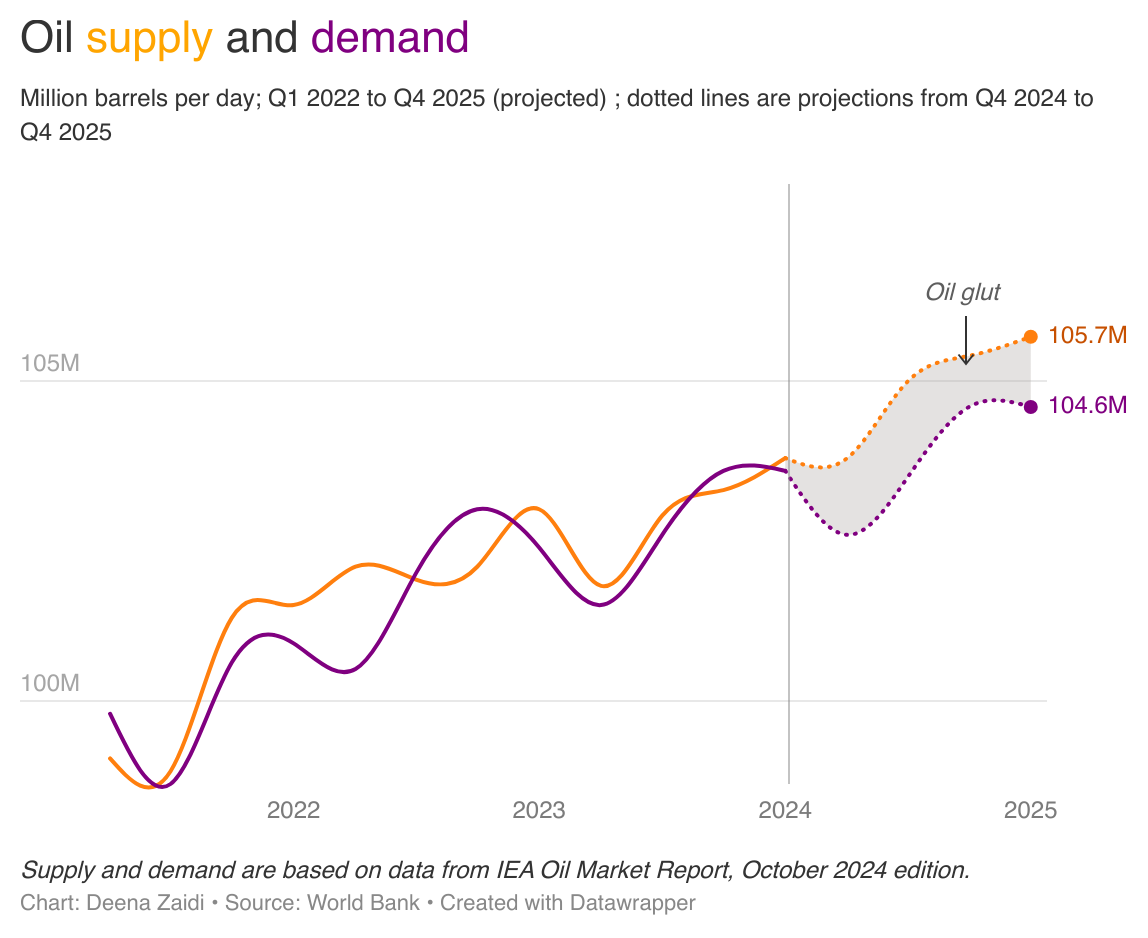
Global commodity prices are set to tumble to a five-year low in 2025 amid an oil glut—so large that it is likely to limit the price effects even of a wider conflict in the Middle East
Data & financial journalist covering global economics and policy
Global commodity prices are set to tumble to a five-year low in 2025 amid an oil glut—so large that it is likely to limit the price effects even of a wider conflict in the Middle East

Yuan’s inclusion in IMF currency basket is a relief to China’s economy. China is on its transition path from a more state governed economy to a more market oriented one. The inclusion also marks the entry of the first emerging market in a group of developed ones.

For long, geopolitics seemed to have started playing an important role in deciding the destiny of global financial markets. 2015 has seen contrasting developments, where nearly every market affected the other, irrespective of how much contribution one made to the other’s GDP. The reason could be that globally financial markets remain highly interconnected and if not through investments then through trade, the influence remained inevitable. This article highlights four important economies that could make a difference to global financial markets.
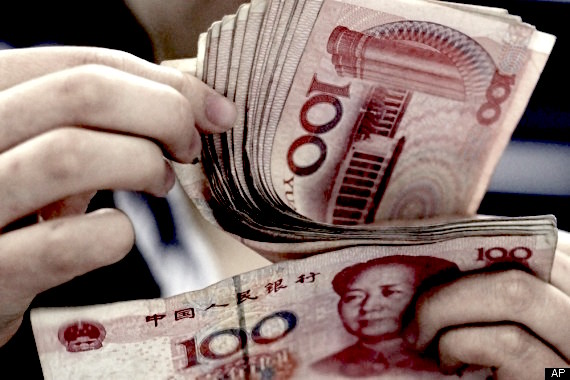
By devaluing its own currency, China has tried to address its issues due to financial distress. Not many have taken this surprise move by China in good spirits. While China might be trying to fix its own domestic growth, it could trigger currency wars amongst nations that are trying to compete with each other in international trade.