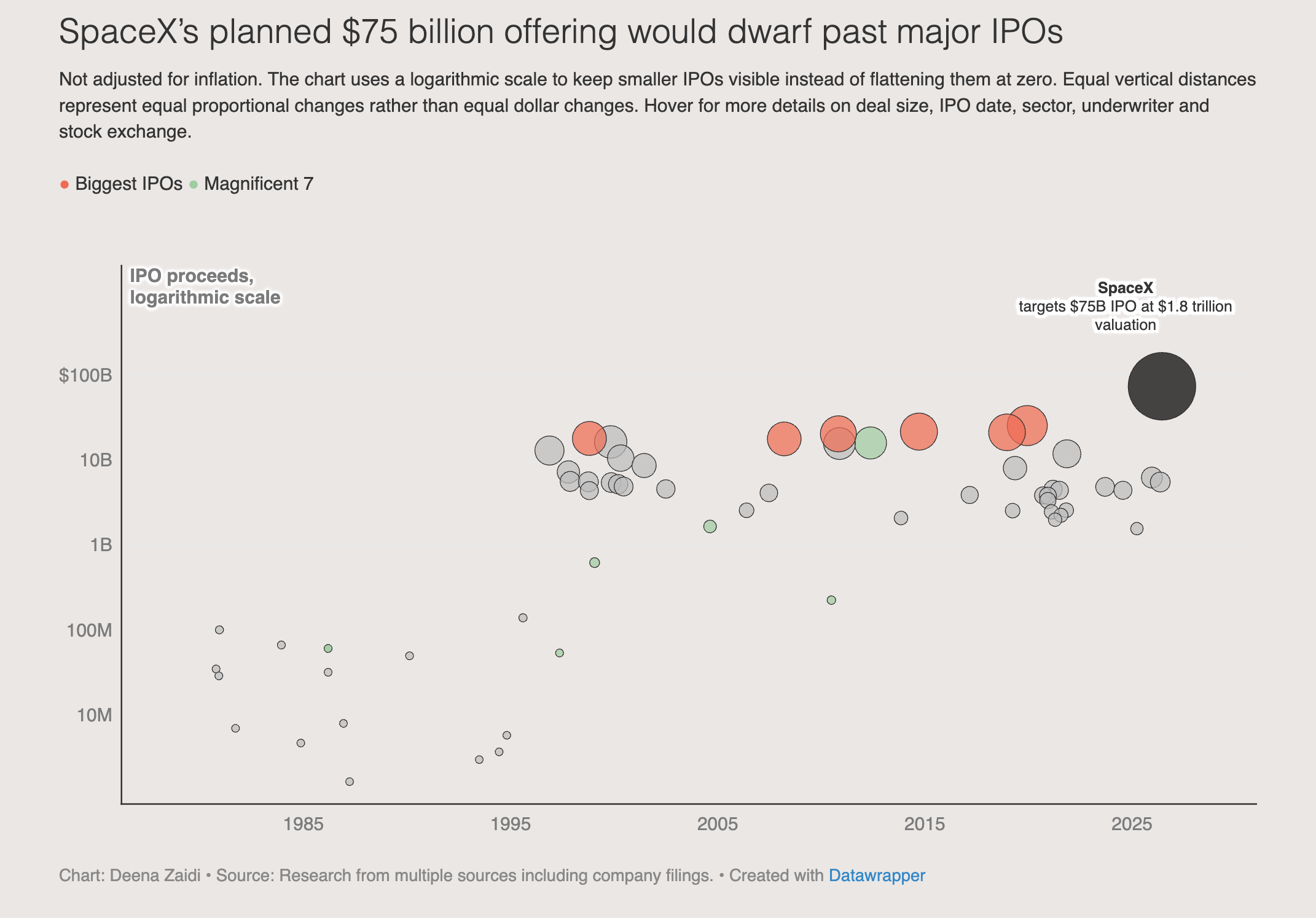
SpaceX’s planned $75 billion IPO would overshadow all IPOs in history, dwarfing Saudi Aramco, Alibaba, Meta and even the most valued company, Nvidia.
Data & financial journalist covering global economics and policy
SpaceX’s planned $75 billion IPO would overshadow all IPOs in history, dwarfing Saudi Aramco, Alibaba, Meta and even the most valued company, Nvidia.
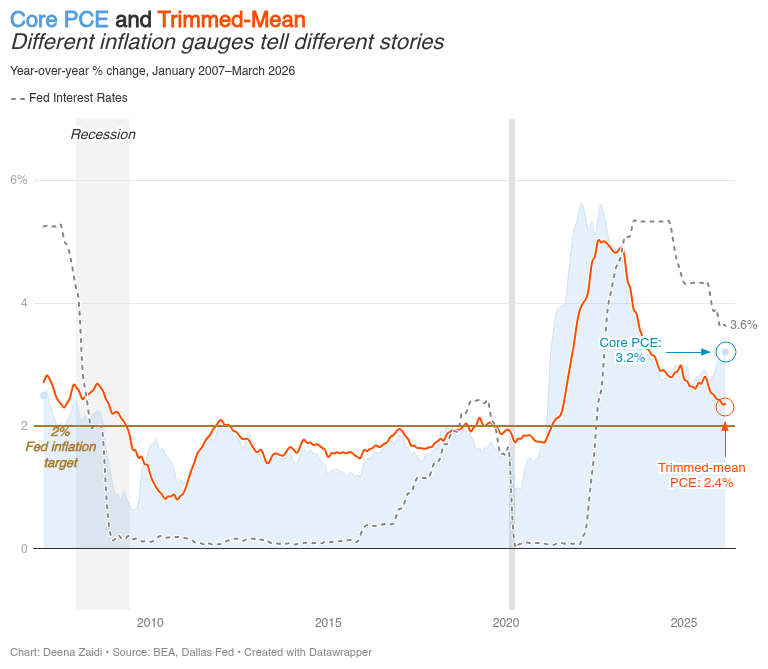
Kevin Warsh’s preferred inflation measures run well below the core PCE. A shift to a new and alternative inflation measure means strengthening the case for earlier interest rate cuts.
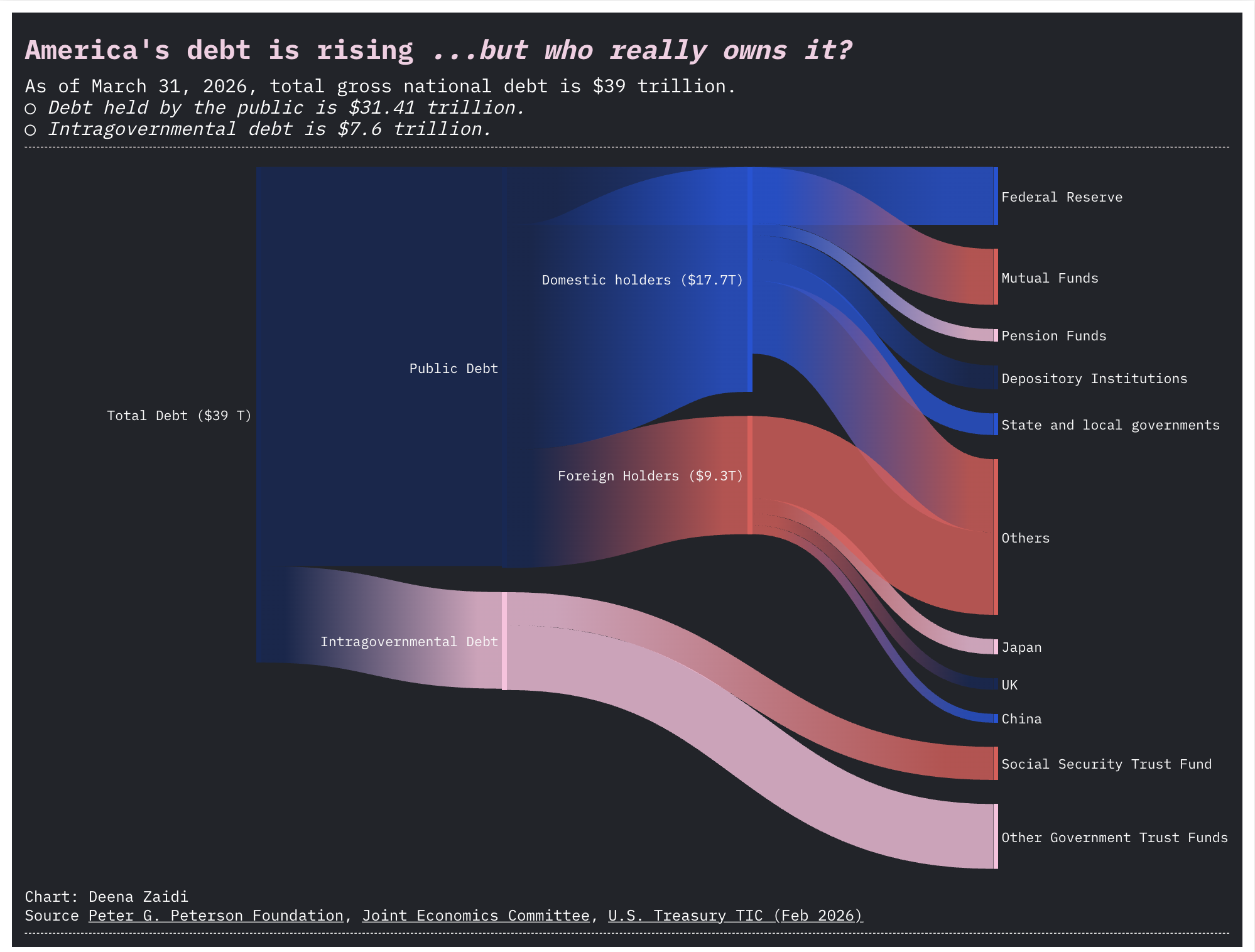
The current gross U.S debt stands at $39 trillion, which experts say is not the real problem. Instead, its the current path Congress has taken of spending more than taking in which seems “not sustainable.”
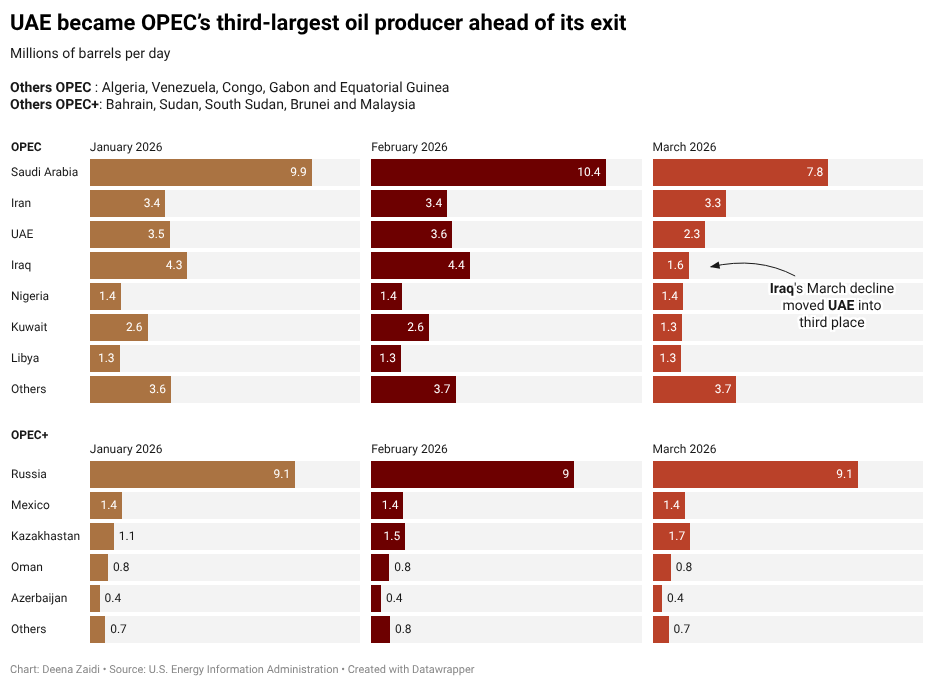
OPEC is no stranger to exits. But UAE’s exit could mean a fundamental geopolitical shift in the Middle East (and the oil markets).